

Online Safety

Tips, advice, guides and resources to help keep children and young people safe online
As a parent or carer you play a key role in helping your child to stay safe online. Below we have shared a range of resources from National sources to support you and your child to use the internet safely, responsibly and positively.
What are the issues?
The internet – on the whole is a positive place. It is a resource which enables children to connect, communicate and be creative in a number of different ways, on a range of devices
However, the internet is always changing, and being able to keep up to date with your children’s use of technology can be a challenge.
You may sometimes feel that your children have better technical skills than you do, however children and young people still need advice and protection when it comes to managing their lives online.
Online exploitation is when someone uses their power online over a young person to make them do things either sexual or criminal (either online or offline). It can happen over any of the devices that a young person uses; such as online gaming, social media, messaging and live streaming. More information can be found in the NYSCP BeAware child exploitation knowledge hub, which can be accessed here: NYSCP (safeguardingchildren.co.uk)
It’s against the law for anyone to share a sexual image or video of someone who’s under 18, Childline are working with the Internet Watch Foundation (IWF) and Yoti and have developed “Report Remove” which is here to help young people under the age of 18 in the UK to confidentially report sexual images and videos of themselves and remove them from the internet. More guidance can also be accessed here: Reporting online images of my child
Sexually coerced extortion is a serious form of blackmail that involves the exploitation of nude, explicit or sensitive images or videos to coerce victims into unwanted actions such as sharing further explicit imagery or paying to prevent further sharing.
Perpetrators (often using a false identity) often target individuals through online platforms, social media, or dating apps. They may establish trust and rapport, leading victims to share intimate content willingly or unknowingly through webcam sessions or private messages.
For more information click here: Protecting Young People from Sextortion: A Guide for Parents and Safeguarding Professionals – Ineqe Safeguarding Group
Help if you’re worried about ‘sextortion’ or online blackmail (iwf.org.uk)
Only 4% of online content is public and can be searched. This is considered to be the surface web. The other 90% of online content is found on the deep web while the remaining 6% is on the dark web. Internet Matters have put together a guide to help you understand the risk for children and young people that you can access here: What is the dark web? — Advice for parents | Internet Matters
AI: Artificial intelligence is a field of study in computer science. It deals with creating machines that are ‘intelligent’ and can perform tasks like a human. A guide to artificial intelligence (AI) for parents | Internet Matters
The Metaverse: The metaverse refers to the development of an online environment that allows you to take part in day-to day activities that mirror your experience of the ‘offline world’. For example, you could go shopping, watch a film at the cinema or have dinner with friends. What is the Metaverse? | NSPCC, What-is-the-Metaverse-SSZM.png (1241×1754) (oursaferschools.co.uk)
‘What I wish my parents or carers knew…’: A guide for parents and carers on managing children’s digital lives
Parenting today can feel overwhelming — especially when childhood looks so different from what we grew up with. There’s no manual, and it can be hard to keep up with the fast-changing digital world your child moves through every day. This guide aims to make those conversations easier and help you support your child with confidence.
Helping Children Stay Safe Online This Summer
The summer holidays can be a wonderful time for children and young people to relax, socialise and enjoy their favourite online activities. However, with more free time and less routine, many children spend significantly longer online during the school break.
To help parents and carers navigate the online world with confidence, we are sharing a range of free resources from SKIPS Safety Net that provide practical advice on some of the most common online safety issues affecting children and young people today. These guides cover topics including social media, online gaming, privacy settings, online influencers, live streaming, fake news, sharing images and recognising the signs of online grooming.
Keeping Children Safe Online During Summer Holidays
When something goes wrong – Parents guide
What can parents do?
A positive and open approach is often the most effective way to keep children safe online. Consider:
- Having regular conversations about what your child is doing online.
- Showing an interest in the apps, games and platforms they use.
- Reviewing privacy and safety settings together.
- Encouraging children to tell you if something online makes them feel worried, uncomfortable or upset.
- Reminding them that they will not be in trouble for speaking up and seeking help.
If Something Goes Wrong Online
If your child experiences a problem online, try to stay calm and reassure them that they have done the right thing by telling you. The SKIPS Safety Net guidance recommends:
- Staying calm and listening.
- Keeping evidence such as screenshots, messages and profile links.
- Using official reporting routes where appropriate.
- Continuing supportive conversations at home and reviewing online safety settings together.
Further Support
Parents and carers can access the full range of SKIPS Safety Net online safety guides and resources by visiting the SKIPS Safety Net website. These resources provide practical advice to help families have informed conversations and build safer online habits throughout the summer holidays and beyond.
If you have concerns about a child’s safety online, seek support from relevant safeguarding agencies, within North Yorkshire go to Worried About a Child page, to find out how to contact our relevant partners. If a child is at immediate risk of harm, contact the police on 999.
Online safety is everyone’s responsibility, and regular conversations, trust and open communication remain some of the most effective ways to help children stay safe in the digital world.
Helping your child make positive choices.
The Cyber Choices programme was created to help people make informed choices and to use their cyber skills in a legal way.
Many young people are curious and want to explore how technology works, what vulnerabilities it has and how it interacts with other technologies. This can include learning to code or experimenting with tools discovered online. Its important that if young people are learning to do this, they do it in a safe and legal way.
If you’re looking for more information on how you can help young people use their cyber skills positively, then download one of these helpful Cyber Choices leaflets:
Parents/Guardians/Carers Leaflet (3.13 MB)
The Law and Consequences of Breaking It Leaflet (514 KB)
Development Resources Leaflet (416 KB)
Who can help?
Listed below are some helpful National organisations that have developed practical advice and resources for parents and carers when it comes to supporting your child to use the internet safely.
NSPCC have a wide variety of resources for parents and carers looking at online safety. Including the TRUST toolkit for setting up your child’s first phone, and managing mental wellbeing online.
Techosaurus is a guide to help have those first conversations with children about online safety.

Internet Matters supports parents and professionals with comprehensive resources and expert guidance to help them navigate the ever-changing world of child internet safety. They include information and advice by age, setting parental controls on a wide variety of apps and games and resources on how to speak to children about safe internet use.

UKSIC have a range of information for parents and carers on highlighting the issues ofthe internet, how to have a conversation with your child about staying safe online, safety tools on social networks, parental controls offered by internet providers, guides to technology and resources.
NSPCC in partnership with O2, provides useful information for parents about the most popular and current sites, apps and games used by children. The free tool, called Net Aware, is updated regularly. In addition, each site/app/game has free advice from O2 on how the privacy settings work for that particular platform.

Childnet has a range of information to support parents & carers in helping to keep their child safe online. This includes advice on parental controls, hot topics, toolkits, family agreements, guides on how to have a conversation about online safety, how to report harmful content.
The National Crime Agency’s CEOP Education team aim to help protect children and young people from online child sexual abuse.
They do this through our education programme, providing training, resources and information to professionals working with children, young people and their families. They hold resources for different age groups of children as well as resources for parents and carers.

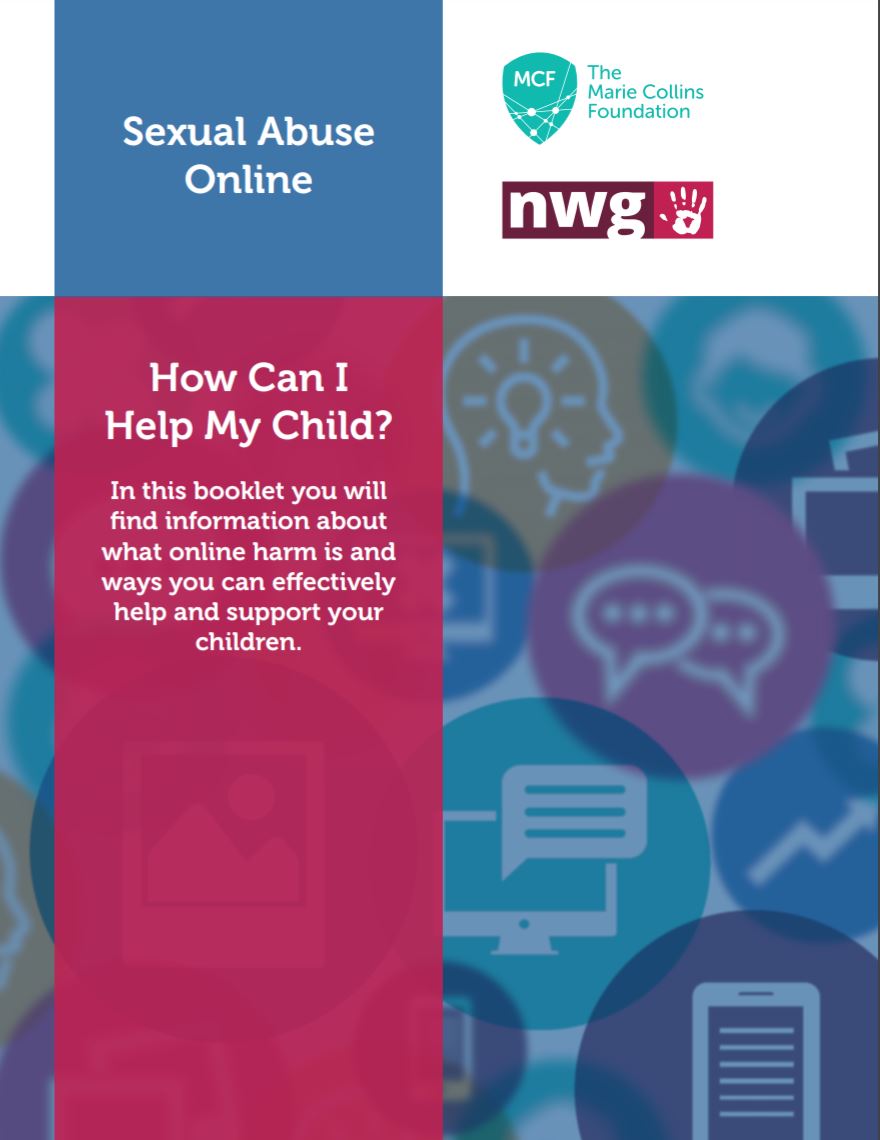
The Marie Collins Foundation, in partnership with the National Working Group, has developed a resource to support parents/carers with regard to how to respond when it is discovered that a child has been harmed online.

The Home Learning Hub is a free library of resources to support parents and carers who are taking the time to help their children be safer online. They hold a wide variety of resources and pintable’s.
Resources for children with SEND
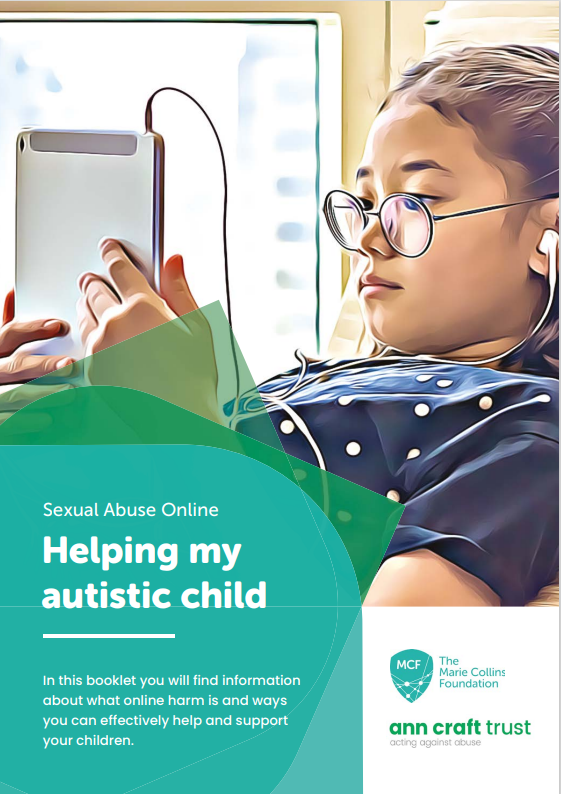
The Marie Collins Foundation, in partnership with the Ann Craft Trust have developed a resource to support parents/carers of autistic children keep safe online.
The leaflet explains the sorts of risks children and young people might face online. But the leaflet also lists the various ways being online can benefit autistic children.
NSPCC have partnered with Ambitious about Autism to create online safety tips, advice and activities for parents and carers of children with SEND, including children with dyslexia, autism and speech and language difficulties.
Page reviewed: December 2025


 View all our news